Historical report: The original BlockBeats article was published on November 9, 2026, at 11:49 a.m. UTC+8. The dates and figures below reflect what it reported at that time.
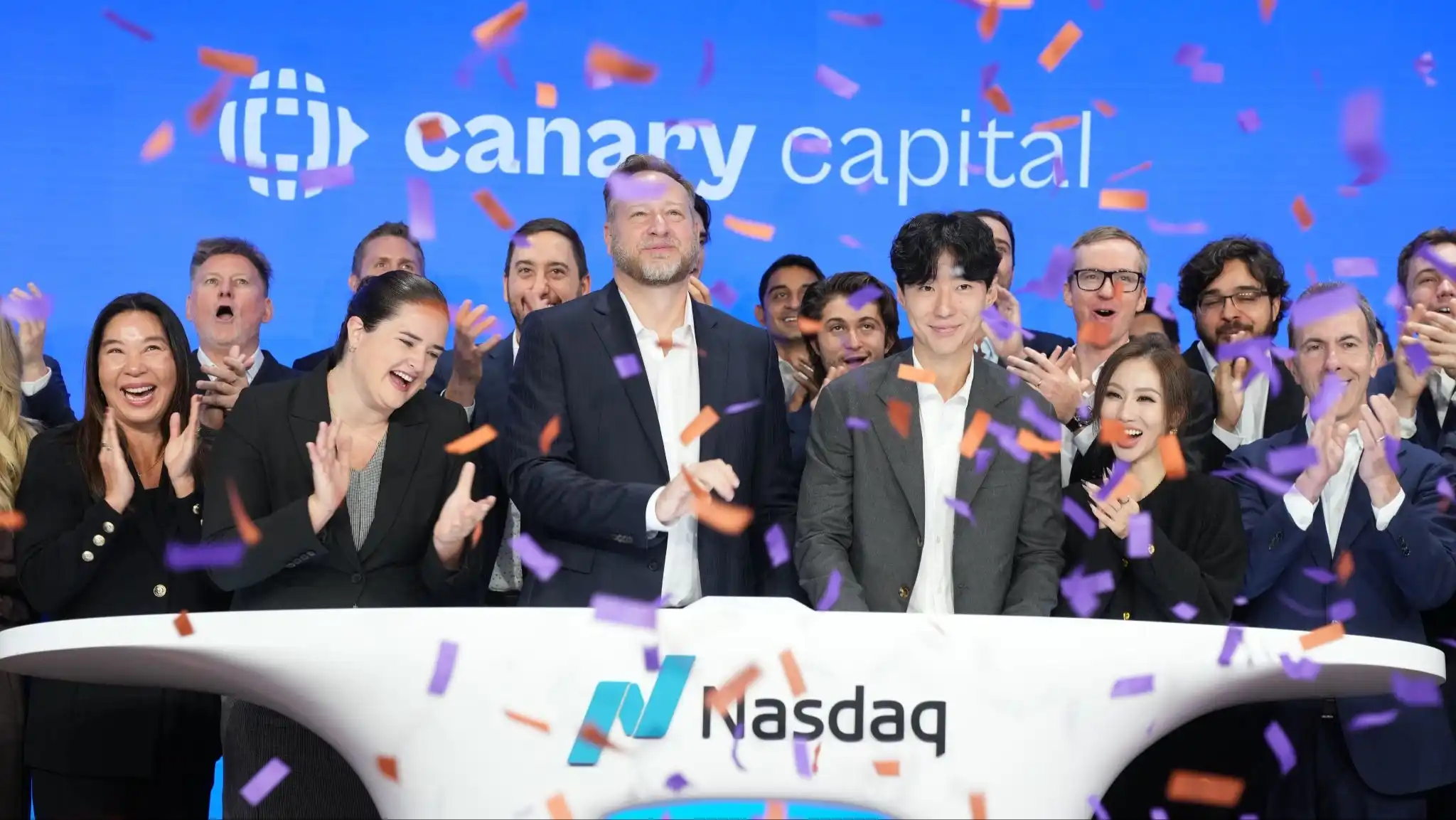
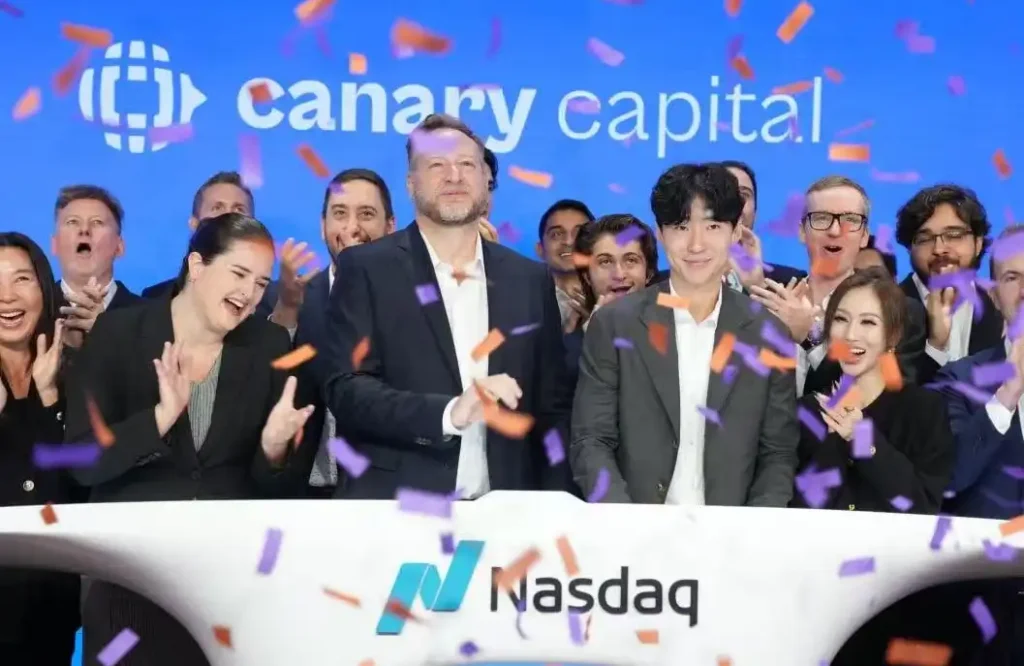
Canary Capital’s INJ ETF, ticker INJC, began trading on Nasdaq on November 5, 2026. Injective and its partners marked the listing with a Nasdaq bell-ringing ceremony the following day. For INJ holders, the distinction is more than ceremonial: the fund’s proposed staking arrangements and Injective’s Community BuyBack affect tokens in different ways.
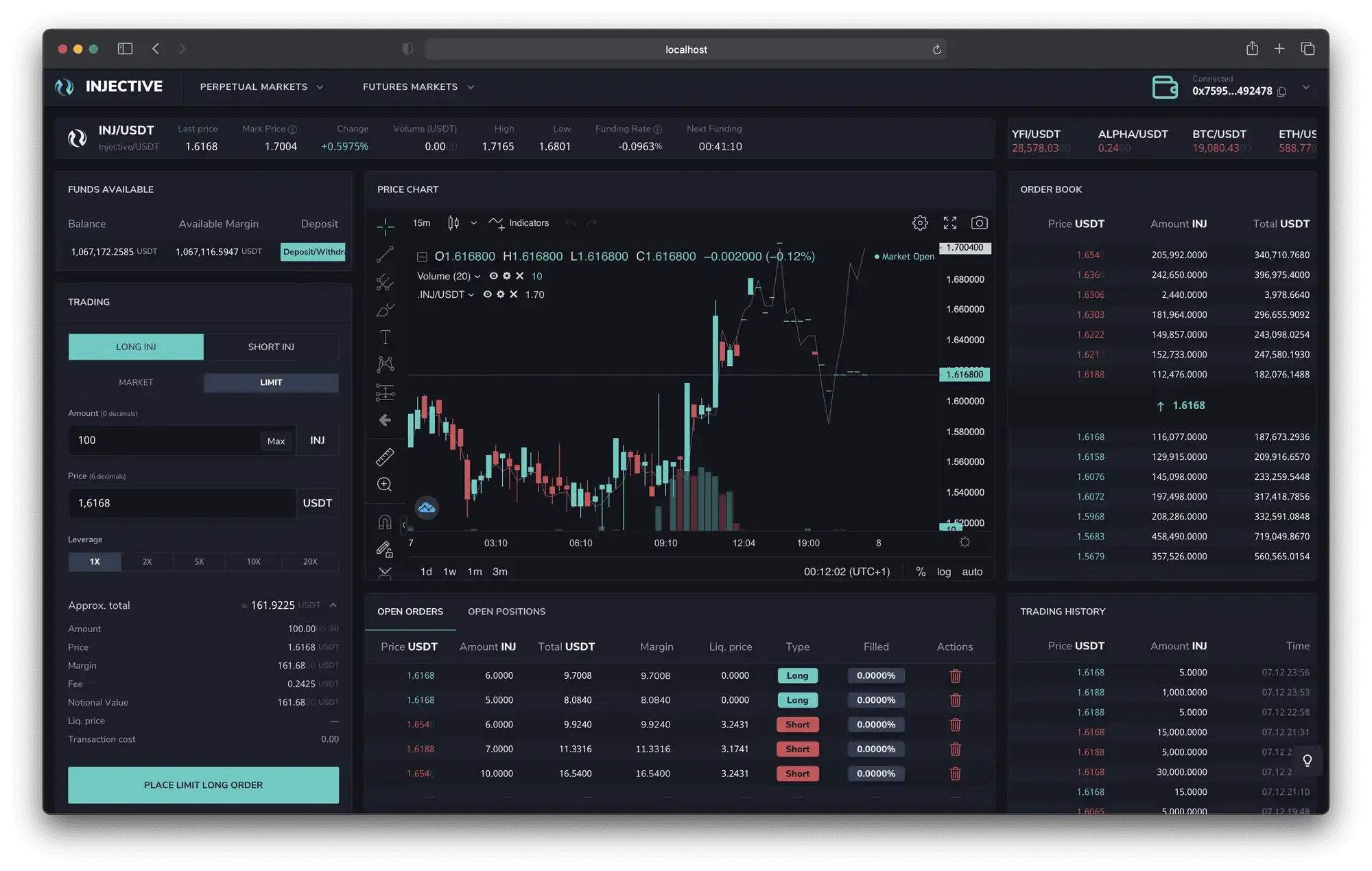
The ETF’s staking and fee structure
According to the November 4 final prospectus described by BlockBeats, Canary planned to stake at least 90% of the fund’s INJ. BitGo would custody the tokens, and the fund would charge a 1.1% annual management fee. Of the staking rewards, the staking provider, custodian and sponsor would receive 30%; the remaining 70% would be included in the fund’s net asset value. Those terms describe how rewards are allocated within the fund—not a promised return to ETF investors.
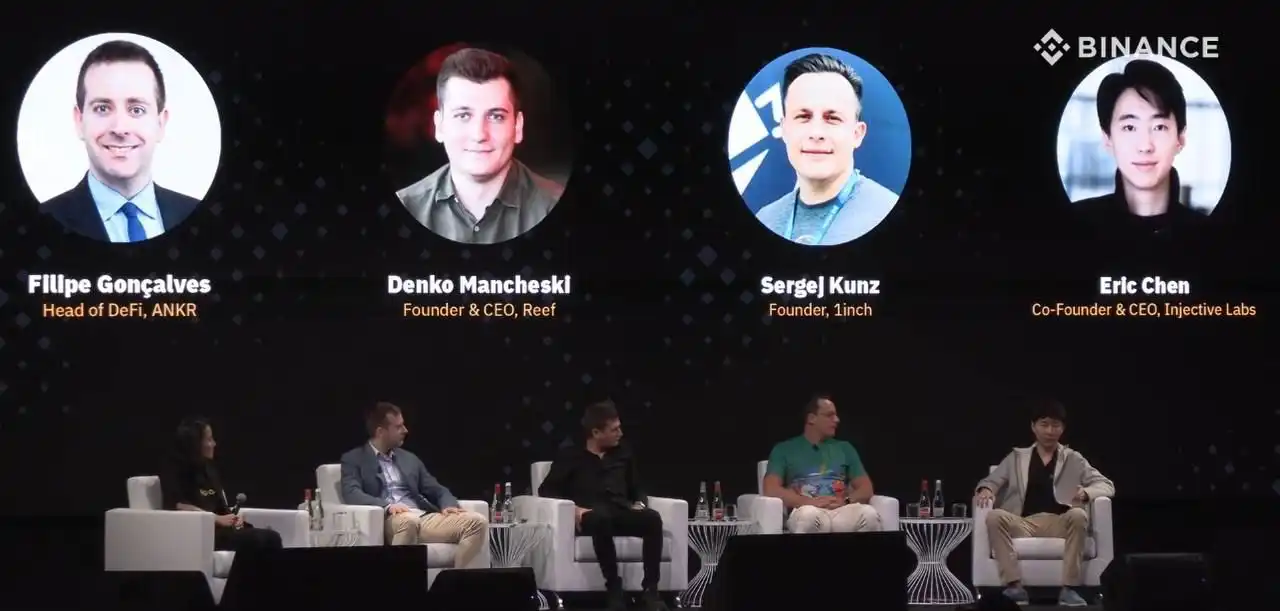
A separate institutional holder was Pineapple, the listed mortgage company. BlockBeats reported that it bought an initial 678,000 INJ on the open market in 2025 and placed the tokens in node staking. It reported a further purchase of 560,000 INJ in February 2026 at an average price of $3.567 per token. These purchases and staking decisions are distinct from the ETF’s holdings.
What the Community BuyBack changes
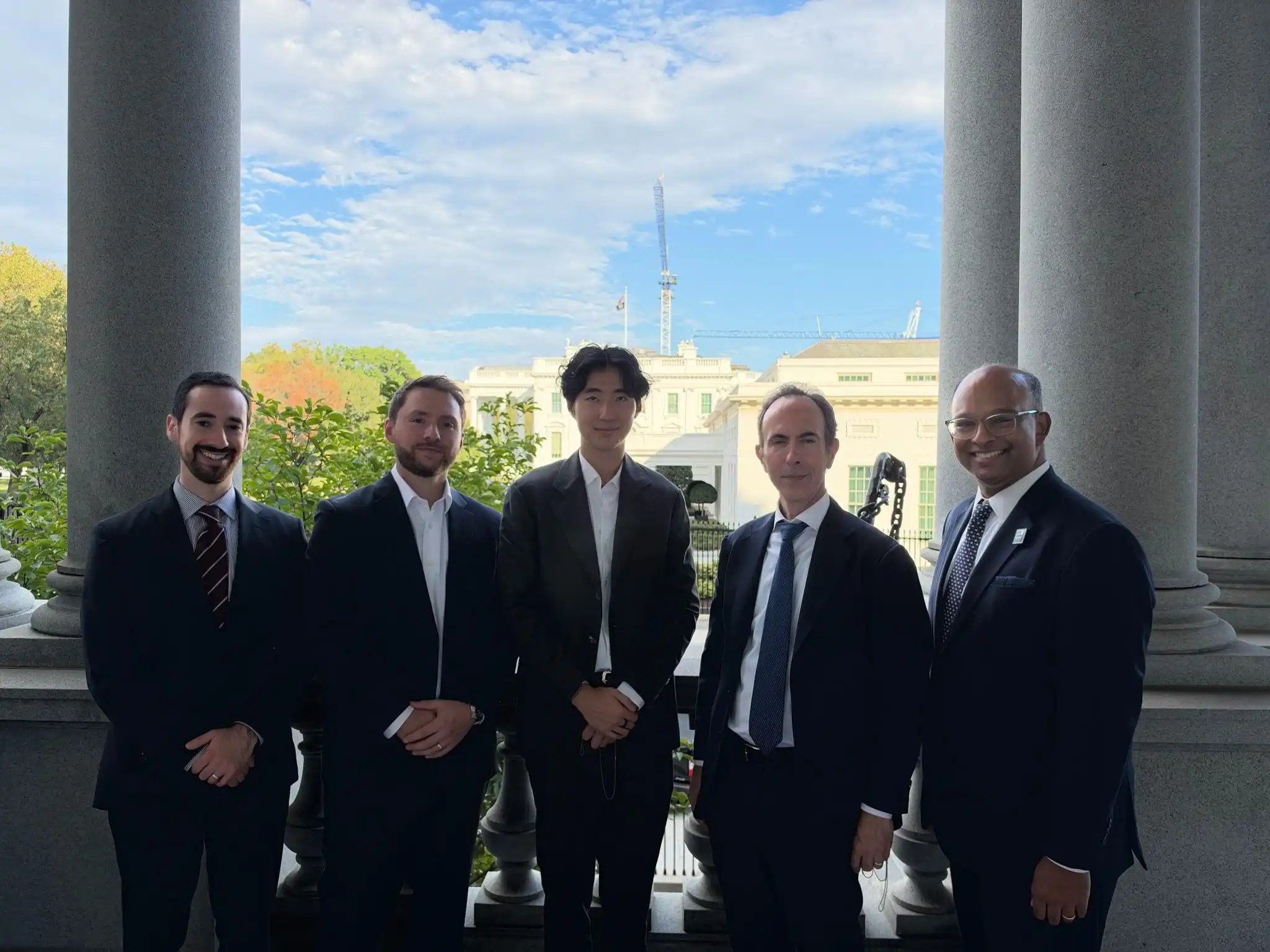
Injective’s earlier weekly burn auctions became a monthly Community BuyBack in October 2025, the source reported. Under that mechanism, holders can contribute INJ to a pool for burning and receive a proportional share of protocol revenue. The exchange is voluntary: participants give up the INJ they contribute in return for a share of that round’s revenue.
BlockBeats also described Stockdrop, an additional chance for participating addresses to receive a tokenized stock in a round. It reported that the October round’s buyback pool contained more than $247,000 in ecosystem revenue. The chance of a Stockdrop allocation should not be confused with a guaranteed payment to every participant.
By the mainnet’s fifth anniversary on November 8, 2026, the source reported more than 57 million INJ staked and more than 7.1 million INJ permanently burned through the weekly auctions and Community BuyBack. Staked tokens and burned tokens are different categories: staking locks tokens in nodes, while burning removes them. The article did not provide a circulating, total or maximum supply figure from which to calculate their respective shares.
The mechanisms connect INJ to different activities—fund staking, node participation and a revenue-funded buyback—but none of the reported figures establishes a future token price or return.
Source: theblockbeats.info (originally published 2026-11-09 11:49 UTC+8)