Historical report: Odaily published the original article on November 9, 2026, at 16:14 China time. It said Elysium’s mainnet was scheduled to launch at 21:00 that evening. The figures below are snapshots or plans reported at that time, not current figures or confirmation of a completed launch.
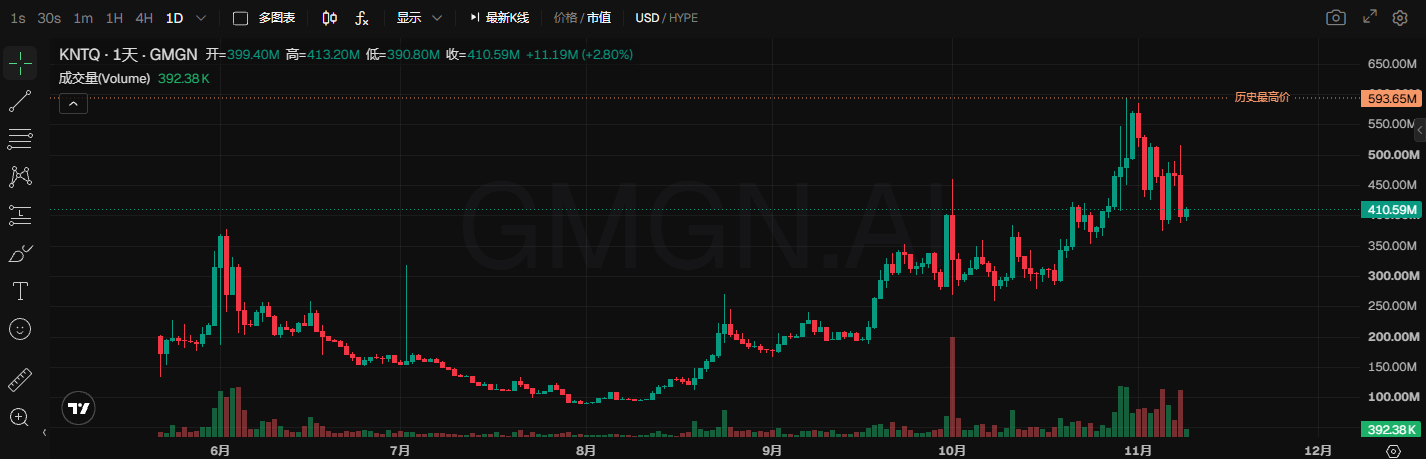
Elysium, built by the team behind Kinetiq, was presented as a Hyperliquid-ecosystem L2 using HYPE for gas. Its published revenue plan allocated sequencer income 25% to application builders, 25% to the Kinetiq treasury and 50% to KNTQ buybacks and burns. Those allocations describe intended uses of revenue; they do not establish how much revenue the network would earn.
The Odaily report compared four token-launch platforms associated with Elysium:
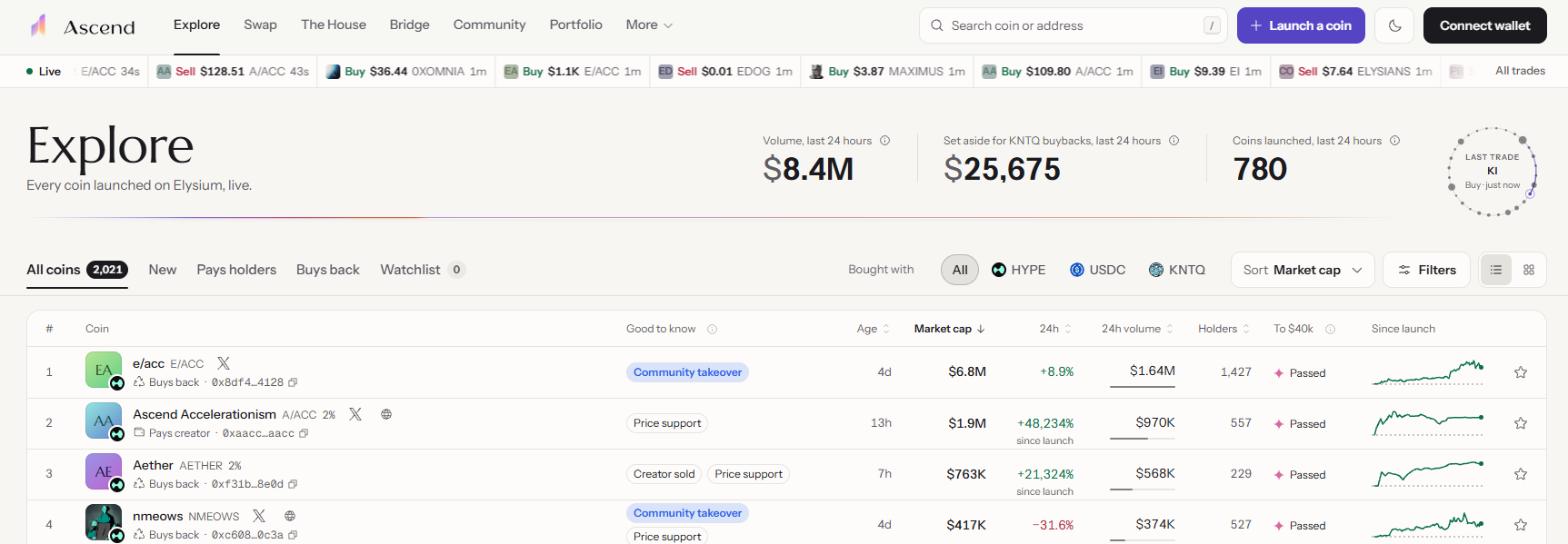
- Ascend did not plan a separate platform token. It used KNTQ as its protocol token and directed most protocol fees toward purchases of KNTQ and HYPE, with some tokens burned. Odaily reported nearly $6 million in first-day trading volume and 873 tokens deployed, without resolving how that first-day activity related to the mainnet launch scheduled for later that evening.
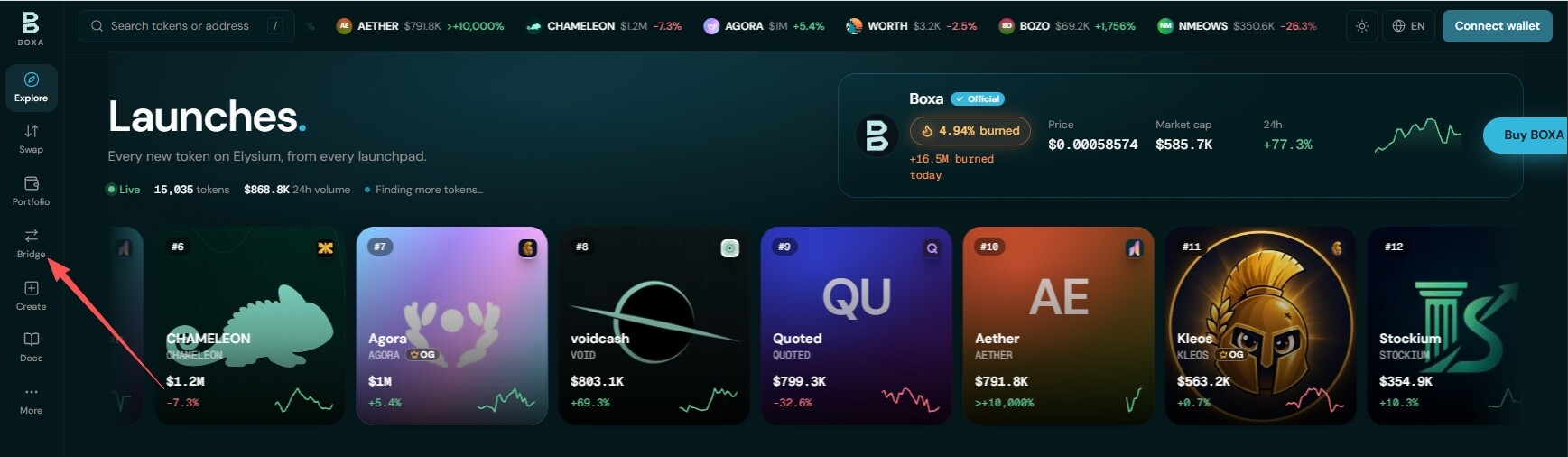
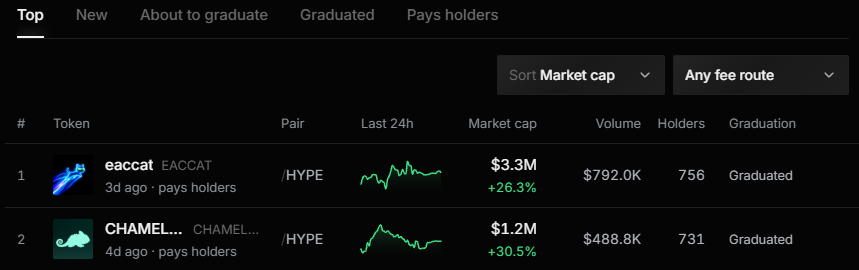
- Montra planned to allocate 25% of MONTRA’s total supply to community airdrops: five categories of 5% each, covering ecosystem users, early creators and traders, participants in its ten largest tokens, liquidity providers, and content and referral contributors. Its launch rules could let creators direct fee income to teams, holders or buybacks. The report’s Montra section listed EACCAT and CHAMELEON but described them as tokens popular on Ascend; their platform affiliation is therefore unclear from this source.
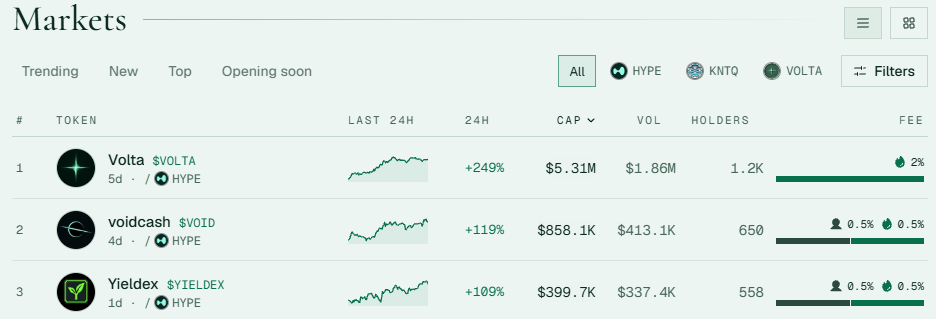
- Volta allowed creators to build pools using HYPE, KNTQ or VOLTA and configure fees and launch rules. According to Odaily, the platform collected 30% of all trading fees and used 80% of that platform share to buy back and burn VOLTA. The 80% figure applies to Volta’s share, not to all trading fees.
- Kleos put a new token’s full supply directly into its trading pool rather than using a separate bonding-curve stage, with initial liquidity permanently locked. It also offered KLEOS staking, holder rewards and points-based incentives.
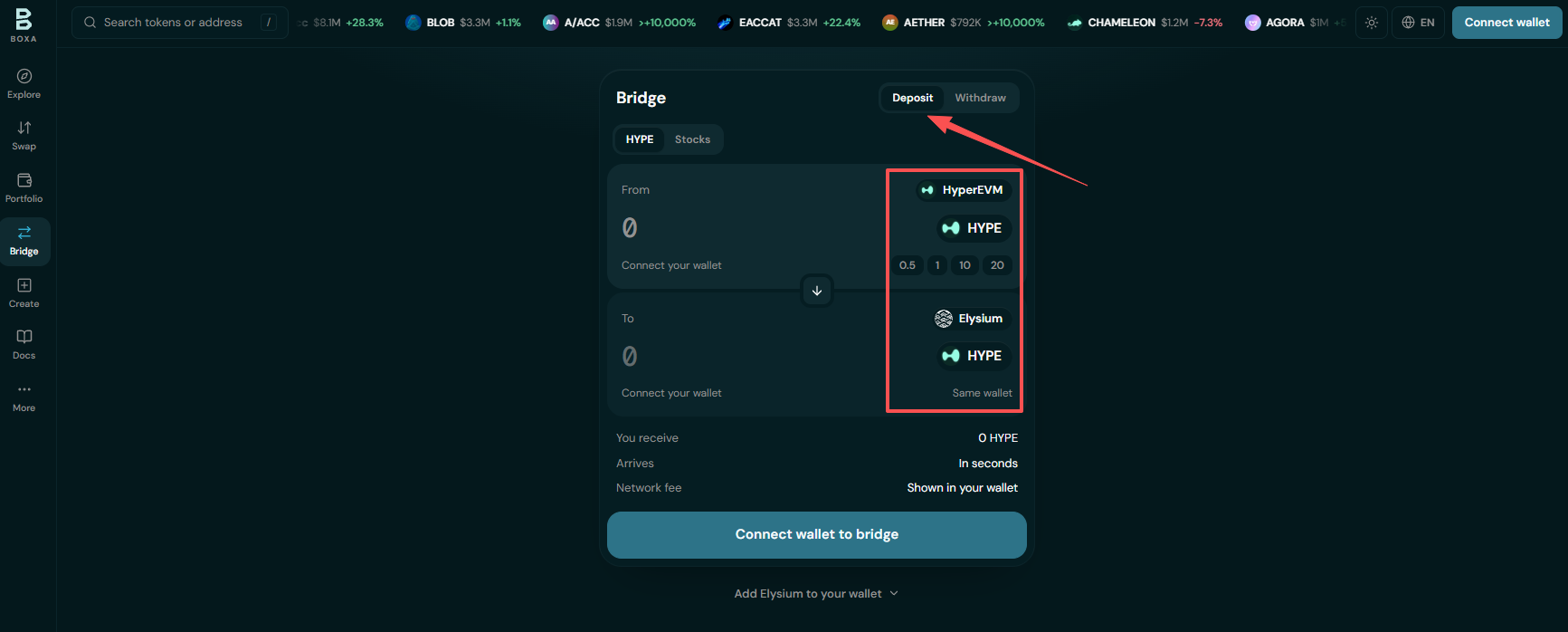
Before the scheduled launch, Odaily said the official bridge was not yet live and described BOXA as a third-party bridge used by the community. That was the status reported on November 9, 2026, not a current bridging recommendation.
Source: odaily.news (originally published 2026-11-09 16:14 UTC+8)