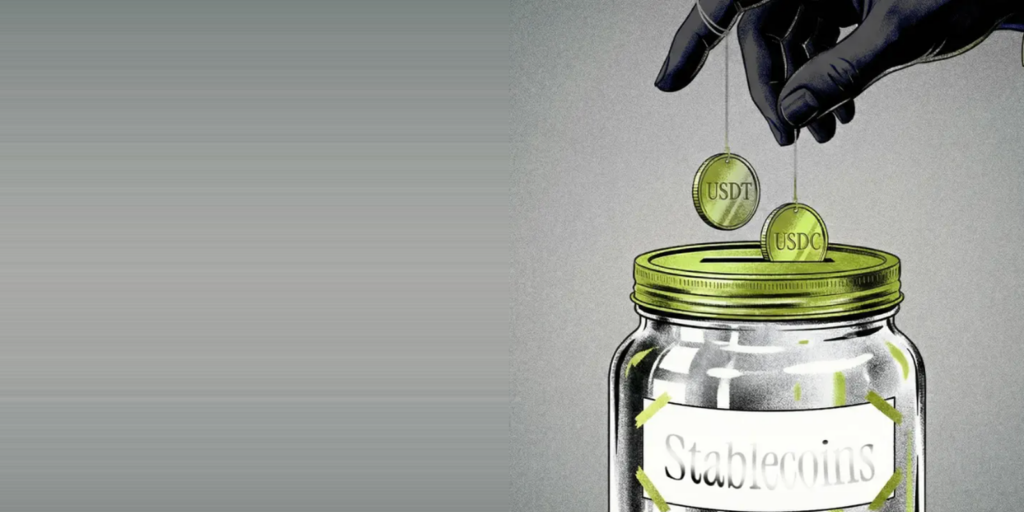
Tether froze more than $1.5 billion in USDT within 30 minutes during the October 2026 theft from Binance. Circle froze another $1.1 billion in USDC. Both issuers acted at the request of Binance and the US government. But when Binance gradually reopened withdrawals, it was the exchange that paid to replace customers’ stolen tokens.
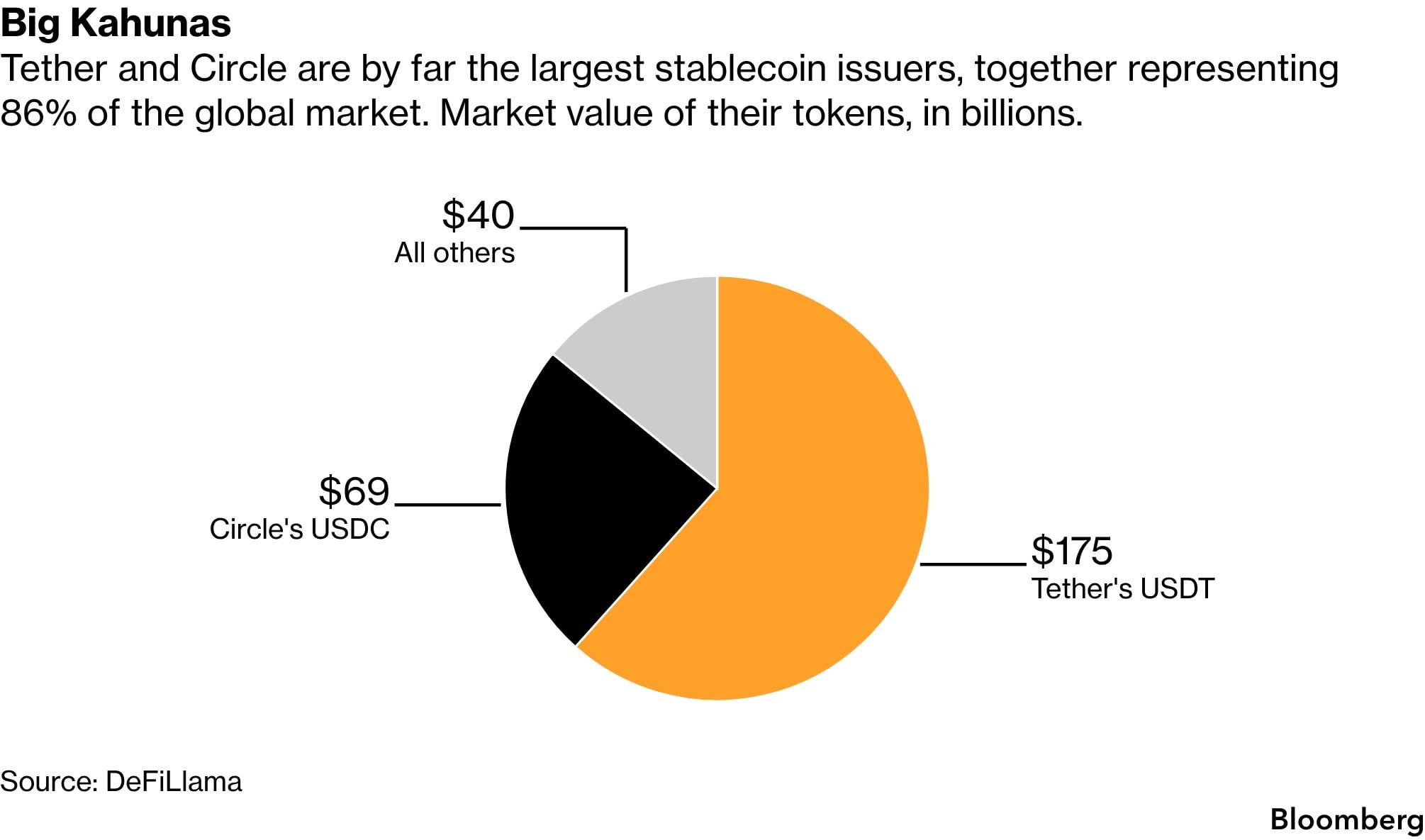
That distinction matters to victims who have no exchange to make them whole. A freeze stops tokens from moving into or out of a designated address. It does not establish who owns them, settle competing claims or put replacement tokens in a victim’s wallet. Tether and Circle exercise that authority over most of the stablecoin market: their flagship tokens accounted for 86% of it, with $175 billion in USDT and $69 billion in USDC against $40 billion for all other stablecoins combined.
What changed for Circle
The US government and industry analysts attributed the $6.3 billion Binance theft to North Korea. Binance said the attackers spent months infiltrating its systems. Circle’s response contrasted with its handling of the April 1 attack on Drift Protocol, when much of the stolen money was converted to USDC. Circle executives said at the time that the company needed a court order before it could freeze the tokens.
In May, Circle revised its published policy to say that a lawful directive from law enforcement was sufficient. A spokesperson said the revision documented existing practice. Binance had also invested $100 million in Circle, and the companies had renewed their partnership for five years. Circle CEO Jeremy Allaire said increasingly sophisticated attacks required issuers and law enforcement to coordinate more quickly.
For Drift users, the difference is at the center of a lawsuit. Lead plaintiff Joshua McCollum said he lost about $23,500 and joined more than 100 other victims seeking compensation. The complaint alleges that Circle received public warnings while the funds were still moving but declined to intervene without a court order. McCollum’s lawyers at Gibbs Mura argued that the Binance freeze demonstrated Circle had the capacity to act earlier. Circle has asked the court to dismiss the case and declined to comment on the pending litigation.
What happens after Tether freezes an address
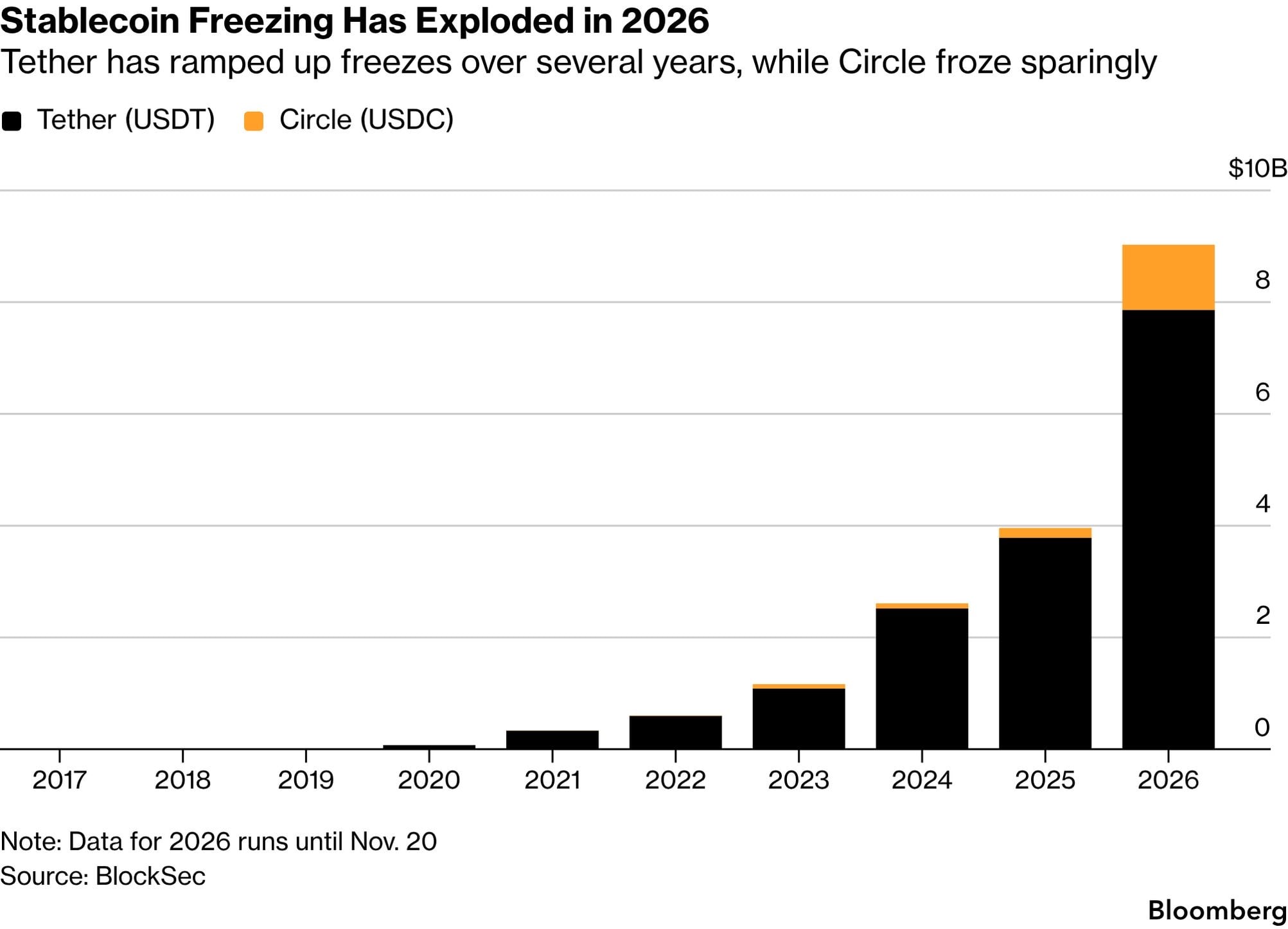
Singapore exchange Bittok Technology lost $50 million in a June 2020 theft. Tether froze some of the proceeds, but the USDT had still not been returned as of November 2026. In emails reviewed by Bloomberg, a lawyer representing Tether told the company that acquired Bittok that it would have to pay a 20% reissuance fee to recover the tokens. People involved in other negotiations told Bloomberg that some victims received USDT in installments and faced the same fee.
Tether CEO Paolo Ardoino said the company reissues tokens in stages in civil cases because several parties may claim the same funds and there are no clear rules governing the process. A spokesperson said Tether had reissued $1.2 billion in USDT and used fees to cover processing and legal costs. Separately, Tether said it had frozen more than $7 billion in assets. Those figures measure different things: the freeze total is not a tally of money returned to victims.
Even securing a freeze is not guaranteed. Berlin resident Valentyn Golyshenko said he lost $75,000 to a scam, sought help for months and had his freeze request denied before the wallet was emptied. Sathya Narayanan Subramanian, a lawyer at India’s VSM Legal Associates who represented USDT holders from Russia, Germany and Spain, described the opposite problem: Tether acted promptly on freeze orders, he said, but none of his clients had received reissued tokens.
Pressure to intervene, disputes over the outcome
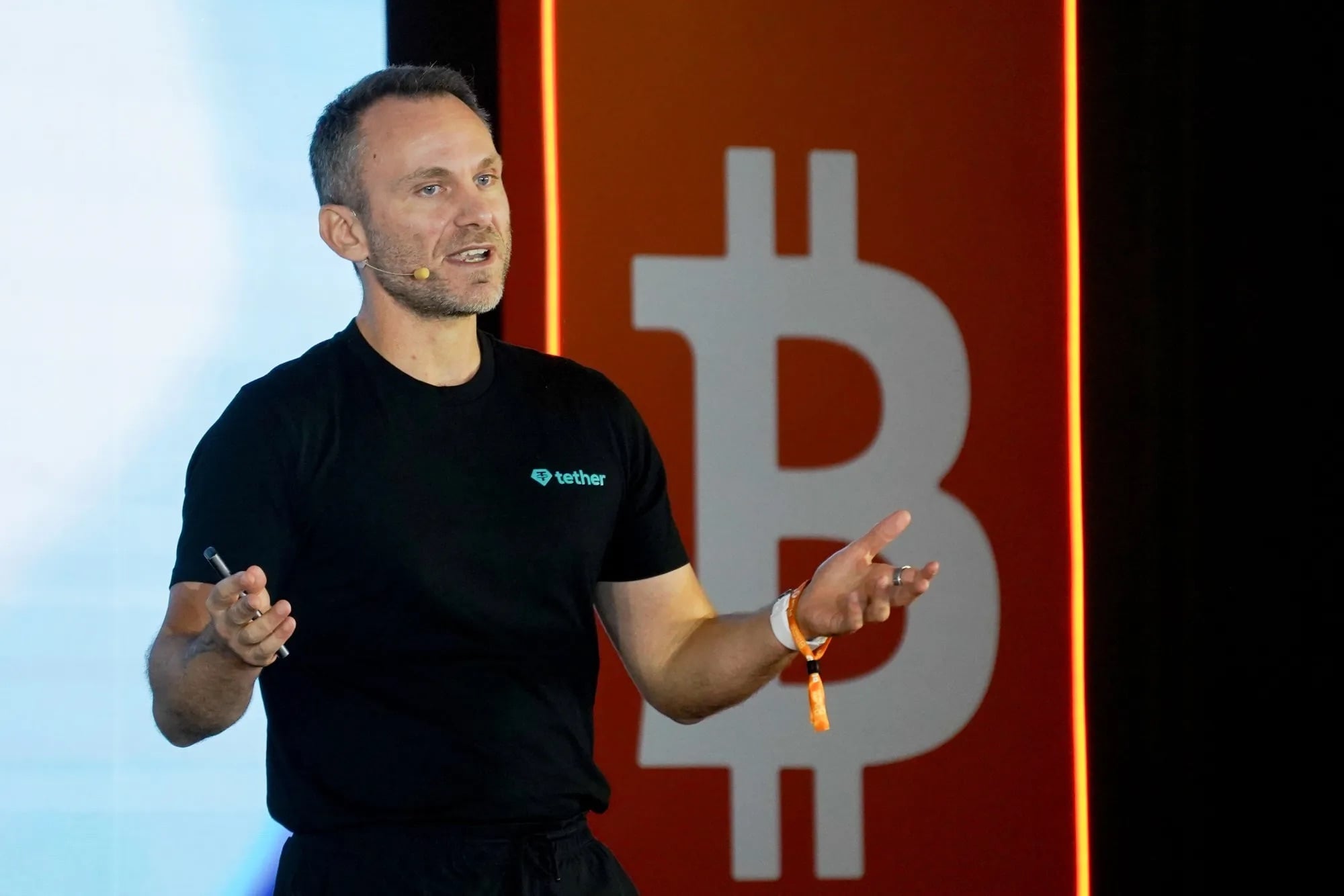
Tether said it was setting up emergency channels with major exchanges and already worked with more than 170 law enforcement agencies in 73 countries. The US Justice Department has acknowledged its help in money-laundering cases and in intercepting funds headed to sanctioned jurisdictions, including Iran. At the same time, institutions and payment companies have sued Tether over freezes.
A September 2026 report from the US Senate Permanent Subcommittee on Investigations alleged that Iran used USDT to evade sanctions and finance armed groups including Hezbollah. Senator Richard Blumenthal, the Connecticut Democrat who authored the report, argued that Tether had done too little to prevent criminal use of its tokens. Ardoino rejected that criticism as politically motivated and unsupported.
For victims, the test is narrower. As blockchain security policy specialist Ari Redbord put it, the decisive step is reissuance. The Binance freezes showed how quickly two issuers could stop transfers; Bittok’s unresolved claim shows why that speed alone says little about when a holder will be paid.