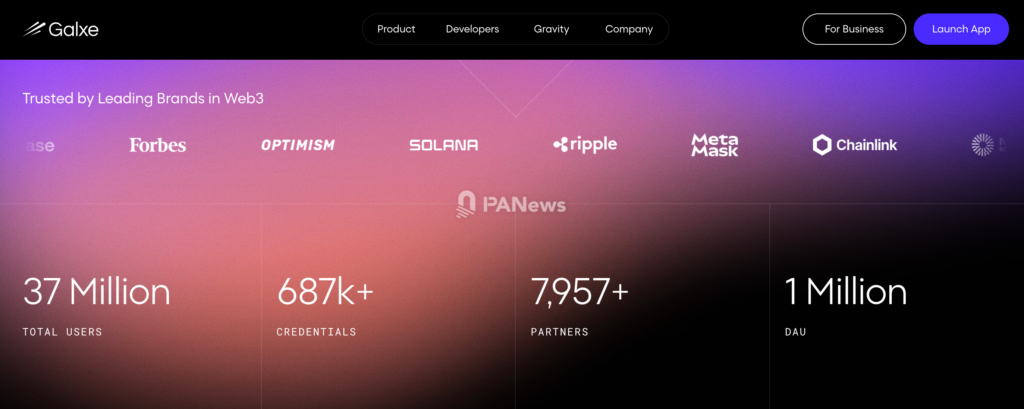
As reported on November 10, 2026, Galxe was winding down its task and identity services while bringing its team and brand under Gravity, its Layer 1 network. The shift matters for G token holders because Galxe says the restructuring does not change the token, even as the network’s future activity will depend less on Galxe’s established task platform.
What users need to know
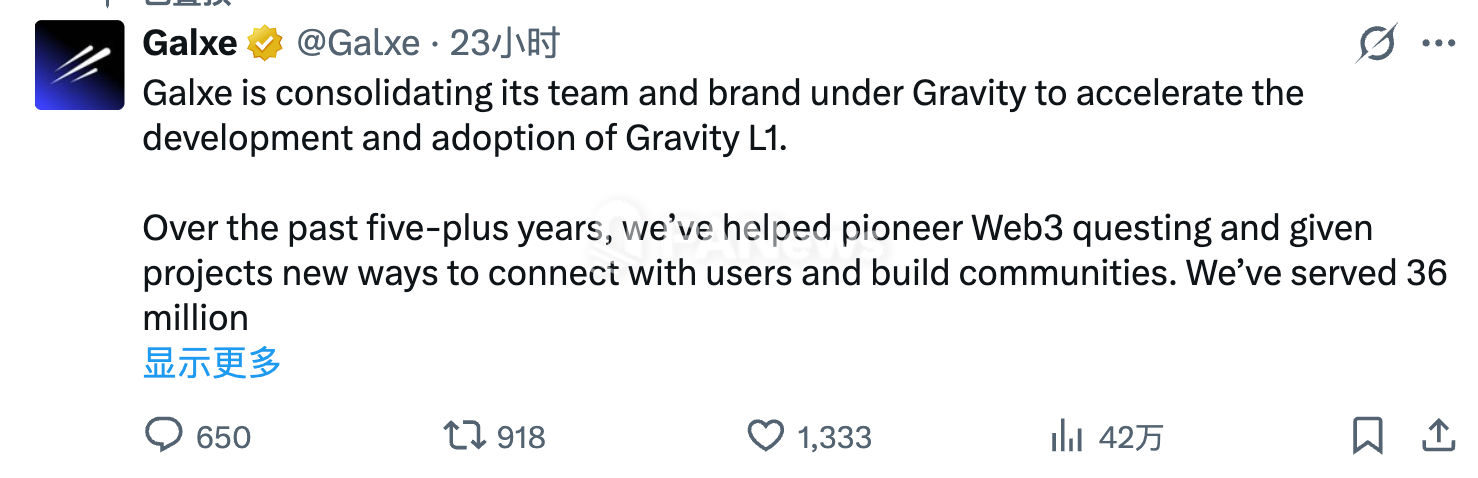
Galxe announced the consolidation on November 9. Galxe Quest, Galxe ID, Galxe Passport and related services are to close gradually, while Gravity will continue operating. At the time of the report, Spaces had stopped accepting new campaigns, Galxe+ and Galxe Score had stopped taking new subscriptions, and Passport minting had ended.
December 5, 2026 is the stated final day for users to participate in campaigns and claim campaign rewards. Galxe said the website would then become read-only and advised users to claim outstanding rewards before that deadline. It also said Smart Savings balances, unstaked G awaiting withdrawal, and G held in Gravity Alpha Mainnet wallets were safe. Procedures and dates for retrieving those assets had not yet been announced.
Galxe reported 36 million users and more than 7,700 partner projects over more than five years. Originally launched as Project Galaxy in 2021, it developed tools for credentials, identity and community campaigns before adopting the Galxe name in September 2022. Its task model helped projects attract participants, but the report identifies reward-seeking accounts, weak retention and diminished airdrop expectations as challenges for that approach.
The G token and Gravity transition
Galxe announced Gravity Alpha Mainnet in 2024 and a 1:60 conversion of its former governance token, GAL, into G. Gravity subsequently pursued an independent L1 network. Its L1 mainnet launched in July 2026, according to the report. The report also describes November 1, 2026 as the scheduled shutdown date for the earlier Alpha Mainnet Layer 2 network; it does not verify completion of that shutdown.
Gravity’s plans include its Grevm parallel EVM execution engine, AptosBFT consensus and a native oracle. Its stated targets are throughput above 12,000 transactions per second and sub-second finality—targets, not evidence in the report of sustained real-world performance. Gravity had also introduced a $5 million developer grants program and a $50 million ecosystem fund.
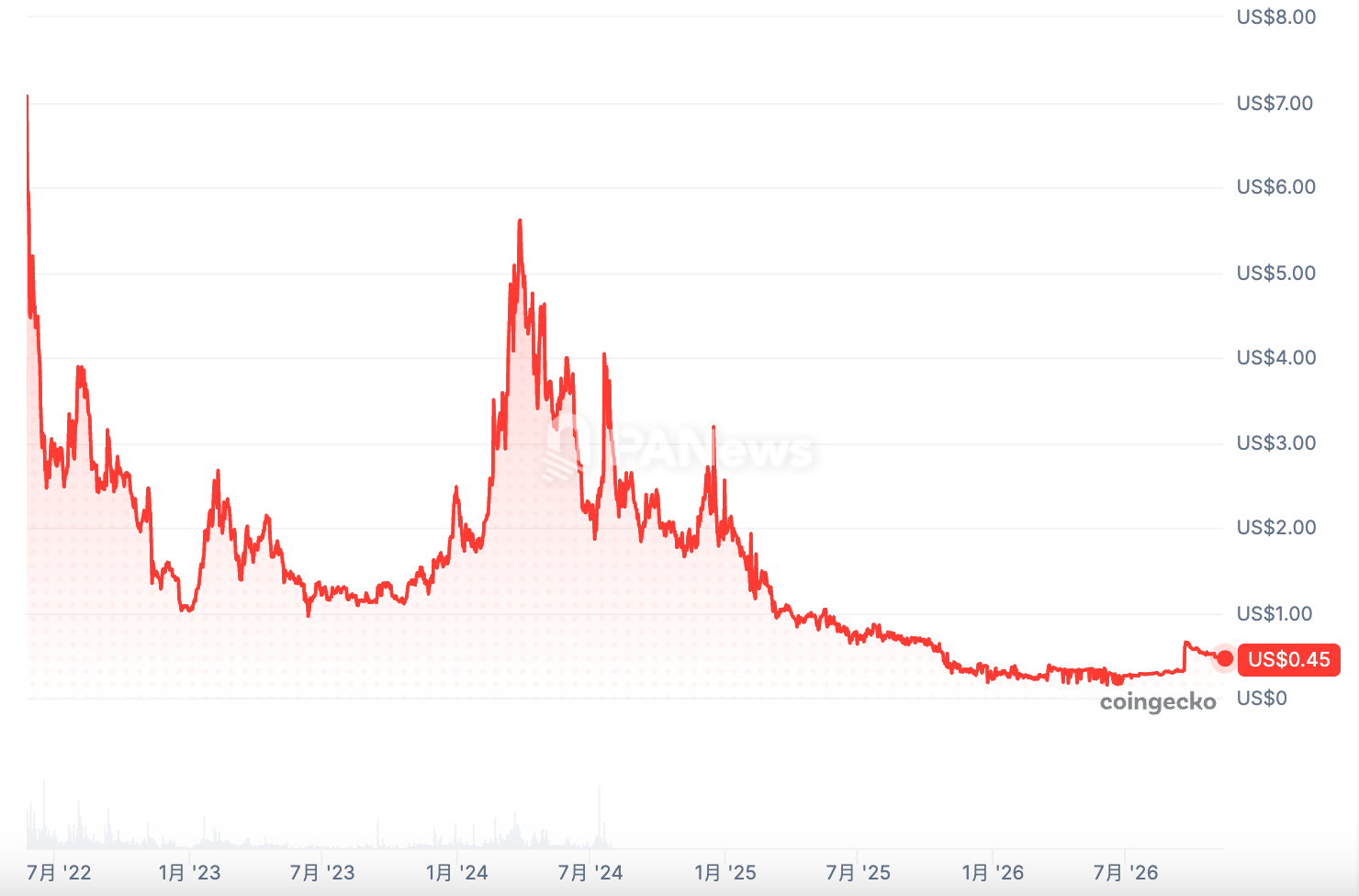
According to the reported allocation and unlock schedule, G has a total supply of approximately 12 billion tokens, about 15 million remained locked, and unlocking was set to continue through 2028. The report does not establish a circulating-supply figure or quantify how future unlocks would affect the market. It says G was trading near $0.45 after falling more than 97.5% from a reported 2024 high of $18.30.
The central incentive question is whether Gravity can attract lasting applications and users after Galxe’s task platform closes. Campaign-driven transactions can bring activity to a network, but they do not by themselves establish sustained demand for its applications or its token.